Should Your Child Use AI for Homework?
Parents are asking a new question: is AI helping students learn, or is it making homework too easy to outsource? The answer is not simple. AI can support learning, but only when students use it to think better — not to avoid thinking.
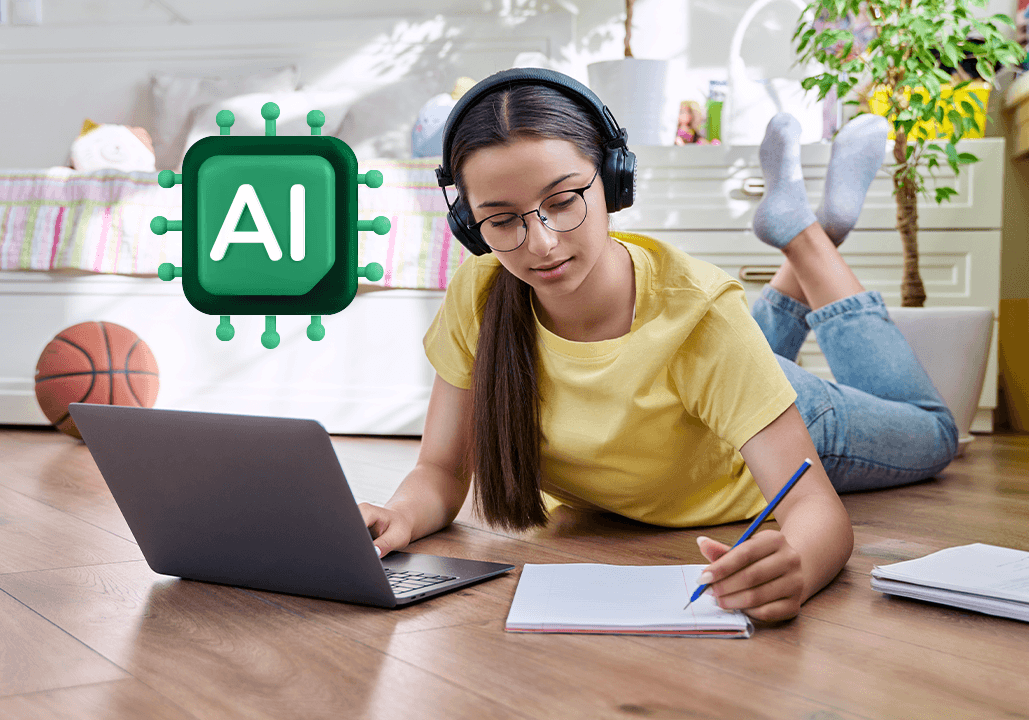
Artificial intelligence has quickly become part of everyday student life. A few years ago, most homework questions were answered through textbooks, class notes, Google searches, or a parent sitting nearby at the kitchen table. Now, students can open an AI tool and receive an explanation, outline, summary, answer, or full paragraph in seconds.
That speed is exactly why many parents are concerned. A recent report discussed by Business Insider highlighted a growing fear among families: children may be becoming too dependent on AI for schoolwork. At the same time, organizations such as Common Sense Media continue to encourage families to think carefully about how digital tools affect learning, focus, and student independence.
The truth is that AI is not automatically good or bad for homework. It depends on how students use it. A student who asks AI to explain a confusing math concept, generate practice questions, or help organize a study plan may benefit. A student who copies an answer, submits AI-written work, or avoids solving the problem independently may lose important skills over time.
In This Article
Why Parents Are Worried About AI and Homework
Parents are not simply afraid of new technology. Many parents understand that technology is now part of school, college, and future careers. The concern is deeper: if students rely on AI too often, will they still build the patience, focus, writing ability, and problem-solving skills that school is supposed to develop?
This concern is especially important for students in middle school and high school. These years are when students develop academic independence. They learn how to break down difficult assignments, organize ideas, read carefully, explain reasoning, revise writing, prepare for tests, and recover from mistakes. If AI does too much of that work, students may finish assignments faster while learning less.
The question parents should ask is not, “Should my child use AI or never use AI?” A better question is: “Is AI helping my child become a stronger learner, or is it helping my child avoid the hard parts of learning?”
After your child uses AI, ask: “Can you explain the answer in your own words?” If they cannot explain it, the tool may have helped them finish the assignment — but it did not help them learn it.
Where AI Can Actually Help Students Learn
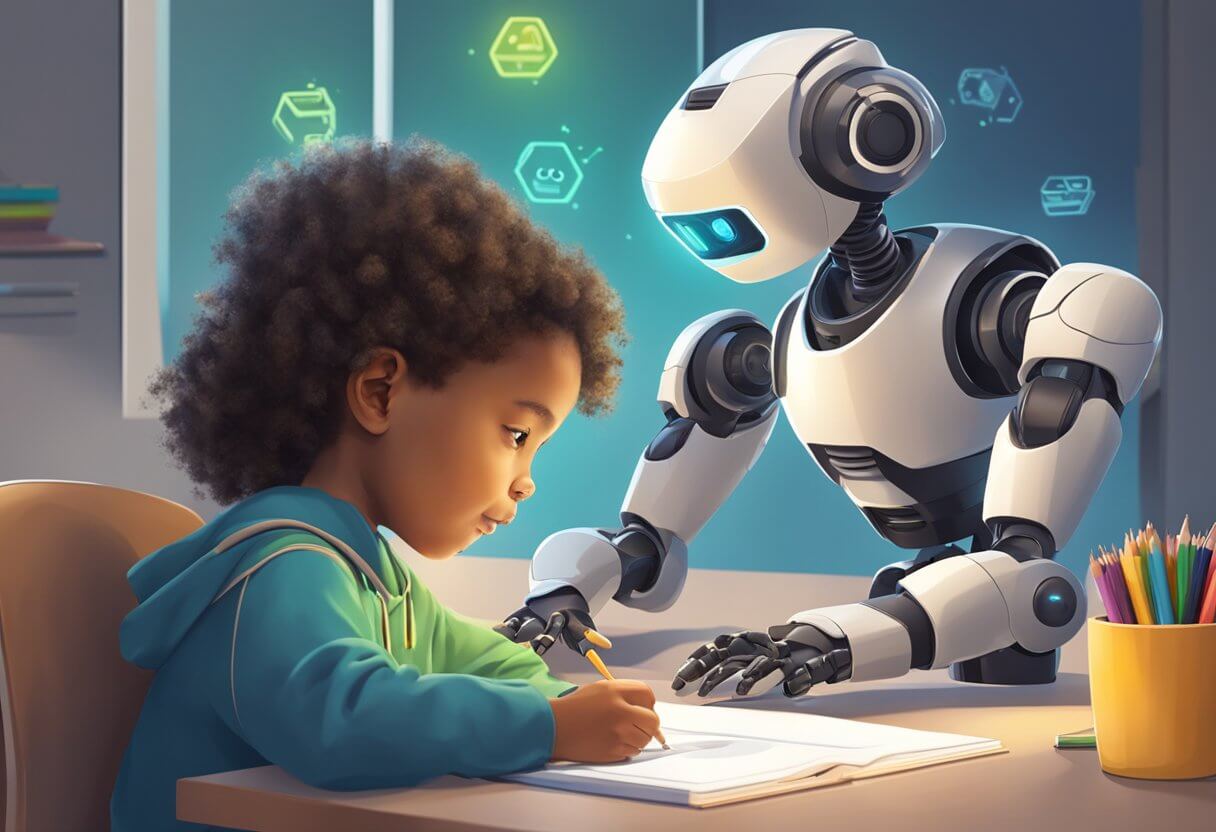
AI can be useful when it acts like a patient explainer. Some students are embarrassed to ask questions in class. Others need to hear a concept explained several different ways before it clicks. Used carefully, AI can give students another entry point into difficult material.
For example, a student struggling with a word problem can ask AI to explain what the question is asking without giving the final answer. A student preparing for a quiz can ask for five practice questions. A student writing an essay can ask for help brainstorming possible angles before writing the draft independently.
Helpful AI Use
- Explain a concept in simpler language
- Create practice questions
- Help organize a study plan
- Suggest essay structure before writing
- Quiz the student on vocabulary or formulas
Risky AI Use
- Copying complete answers
- Submitting AI-written paragraphs
- Skipping reading assignments
- Using AI without checking accuracy
- Letting AI replace independent thinking
The difference is whether the student stays mentally active. AI should not remove effort. It should direct effort. The student still needs to read, think, solve, write, revise, and explain.
Where AI Can Hurt Learning
The biggest danger is quiet dependency. A student may not look like they are struggling because assignments are getting done. But if AI is doing most of the thinking, the student may slowly lose confidence in their own ability to start work independently.
This can show up later on tests, in-class writing assignments, oral explanations, timed assessments, or math problems where AI is not available. The student may realize they completed many assignments without actually mastering the underlying skills.
Another risk is accuracy. AI can produce confident explanations that are incomplete, misleading, or simply wrong. This is why groups such as UNESCO emphasize the importance of responsible AI use in education. Students need to learn that AI output should be checked, questioned, and compared with trusted sources.
Smart AI Use vs Shortcut Use
The simplest way for parents to understand AI homework use is to separate “learning support” from “shortcut behavior.” The tool itself may be the same, but the student’s purpose changes everything.
AI Homework Use: What Builds Learning?
Simple Parent Rules for AI Homework
Parents do not need to ban AI completely. In many cases, that approach is unrealistic. Students will encounter AI in school, online research, college, and future workplaces. A better approach is to create clear rules that protect learning.
Use AI after trying first
Students should attempt the problem, paragraph, or reading response before asking AI for help. This keeps the student from outsourcing the first step.
Ask for explanations, not answers
Prompts like “explain this concept” or “give me a similar practice problem” are much better than “what is the answer?”
Require a teach-back
After using AI, students should explain the idea to a parent, tutor, or themselves. If they cannot explain it, they have not mastered it yet.
Check AI against trusted sources
Students should compare AI responses with class notes, textbooks, teacher instructions, or reliable education sites such as Khan Academy.
How Schools Are Adapting
Schools are still figuring out how to respond to AI. Some teachers are using AI tools in class. Others are restricting them. Many schools are rewriting academic honesty policies, changing essay assignments, increasing in-class writing, or asking students to explain their process.
The most thoughtful schools are not only asking whether students used AI. They are asking whether students can still demonstrate understanding. This may include oral explanations, handwritten outlines, drafts, revisions, in-class assessments, and project-based learning.
Parents can support this by focusing less on whether an assignment is simply “done” and more on whether the child understands the work. Completion matters, but comprehension matters more.
Questions Parents Should Ask Their Child
Rather than starting with suspicion, parents can start with conversation. Many students use AI because they are confused, rushed, tired, or unsure how to begin. Calm questions work better than accusations.
- What did you use AI for on this assignment?
- Did it explain something, or did it give you the answer?
- Can you explain the idea without looking at the AI response?
- What part did you still have to think through yourself?
- How would you solve a similar problem on a test?
These questions help students reflect on their own learning. They also make it clear that the goal is not to punish technology use, but to protect academic growth.
Final Thought: AI Is a Tool, Not a Shortcut
AI is not going away. Students will likely use it throughout school, college, and their future careers. The goal is not to pretend it does not exist. The goal is to teach students how to use it wisely.
The healthiest approach is balanced. AI can explain, quiz, organize, and support. But students still need to struggle productively, make mistakes, revise their thinking, write in their own voice, and build confidence through real effort.
When parents guide AI use thoughtfully, students can learn an important lesson: technology should support their brain, not replace it.
Frequently Asked Questions
Should students be allowed to use AI for homework?
Yes, but with clear limits. AI is most helpful when students use it for explanations, examples, practice questions, and study planning. It becomes risky when students use it to copy answers or avoid thinking.
Is using ChatGPT for homework cheating?
It depends on how it is used and what the teacher allows. Asking for an explanation is different from submitting AI-written work. Students should always follow school rules and teacher instructions.
How can I tell if my child is relying too much on AI?
Watch for signs such as finishing work unusually fast, being unable to explain answers, avoiding independent writing, or needing AI to begin every assignment.
Can AI help with SAT or test preparation?
AI can help generate practice questions, explain grammar rules, or create study schedules. However, students still need official practice, timed work, careful review, and real understanding.
What is the best rule for AI homework use?
The best simple rule is: try first, use AI for help second, and explain the answer afterward in your own words.